
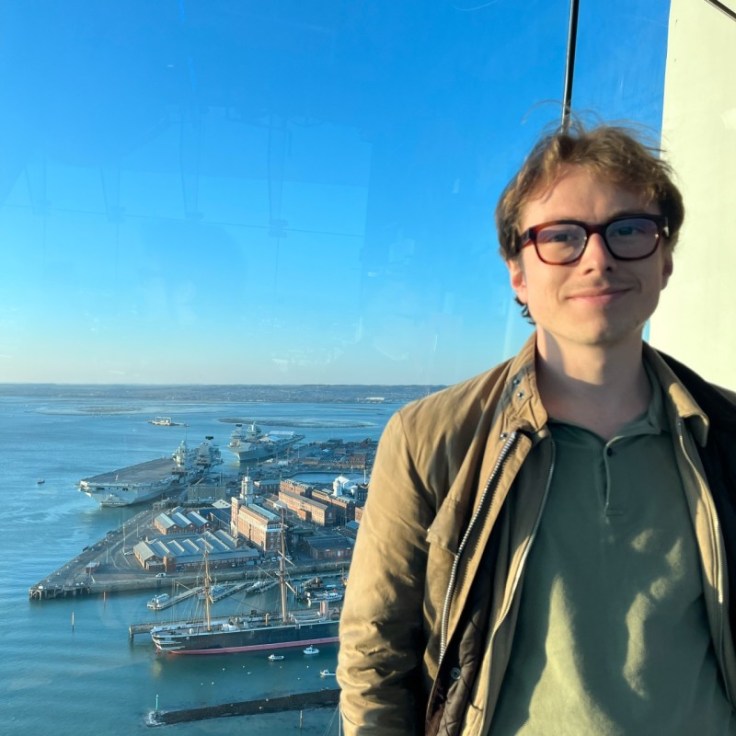
Olivier Goossens, editor-in-chief (born 1999), is currently a PhD student in Assyriology at KU Leuven, specializing in Neo-Babylonian socio-economic history. He obtained his Master’s degree in Ancient History (2021) and in Language and Literature: Latin-Greek (2025) from the same institution. Hailing from a sailor family in Antwerp, Belgium, he has long combined a passion for Hellenistic Asia and the ancient Middle East with a fascination for British naval history. On the latter subject, he occasionally writes articles on his blog Heart of Oak. A few years ago, he founded Along the Silk Road, a platform dedicated to sharing the history and artwork from the diverse cultures that flourished across Asia. In addition, he enjoys studying the beautiful languages of Turkish and Persian in his spare time.
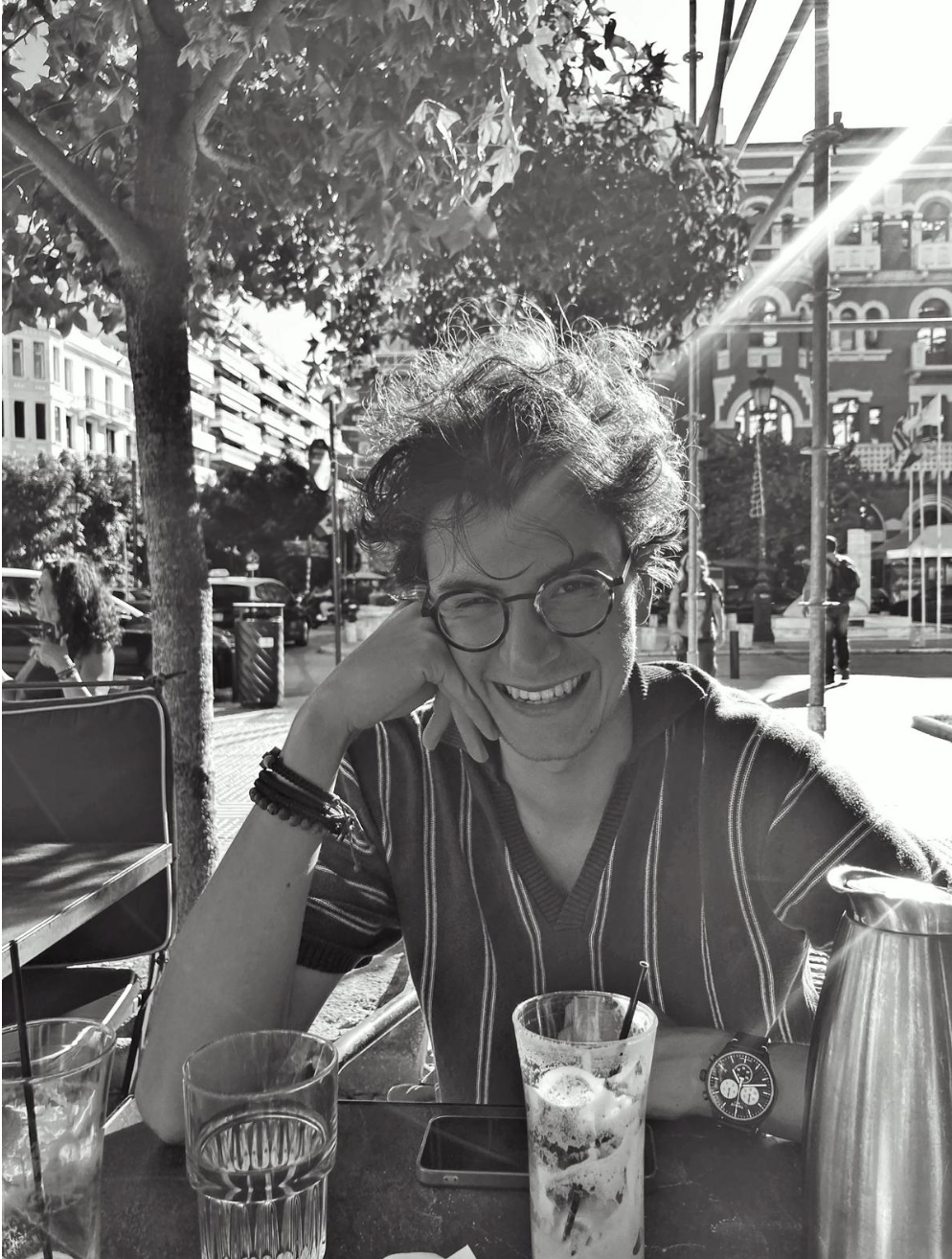
Rik Verachtert, assistant editor (born 2003) is a linguistics Master’s student at KU Leuven, originally from Stabroek, Antwerp, Belgium. He holds a Bachelor’s degree in Language and Literature, specializing in French and Ancient Greek. His main areas of expertise include Ancient Greek, etymology, linguistic phenomena, and Greek-speaking communities outside Greece. His Bachelor’s thesis, titled “Marseille, a Dynamic Melting Pot of Languages,” explored the linguistic landscape of the Greek colony of Massalia (modern-day Marseille) and its surroundings. During his studies, he also spent an Erasmus exchange semester in Marseille.

Bakhtawar Jamil (born 1997) graduated from the National College of Arts in Pakistan with a degree in textiles. With a deep-rooted interest in art history, material culture, and heritage studies, her practice as a textile practitioner is informed by a research-based approach that explores how indigenous craft traditions encode ecological knowledge, cultural identity, and community memory.

Cemre Melis Yordamlı (born 2001) is a senior student in Archaeology and History of Art, double majoring in History at Koç University, Istanbul. She expects to begin her master’s studies in the Late Antique and Byzantine Studies program at the University of Oxford. Between 2022 and 2024, she took part in epigraphic campaigns at the archaeological sites of Ephesus, Anaia, and Miletus. She has gained experience as an editorial assistant at the Istanbul Research Institute and as a collection assistant at the Pera Museum. Her research interests include Late Byzantine intellectual history and literary production. She also manages an Instagram blog, @byzantinethoughts, where she aims to promote Byzantine studies to a non-specialist audience.

Harald Blot (born 1999) graduated with a degree in History from Ghent University, Belgium. His research centers on the Hellenistic period, with a particular emphasis on numismatics and the Bactrian and Indo-Greek kingdoms. His master’s thesis made contributions to the understanding of these kingdoms’ chronology, political landscape, cultural and religious interactions, and monetary experimentation, also highlighting how these diverse aspects are interconnected. Currently, two articles based on his master’s thesis are in the process of being published in academic journals. He has also submitted a PhD proposal with the aim of continuing his research on the Bactrian and Indo-Greek kingdoms. In addition, Harald runs an Instagram channel called CoinsCulturesandConquests, where he shares book recommendations, informative posts, and showcases various fascinating coins.
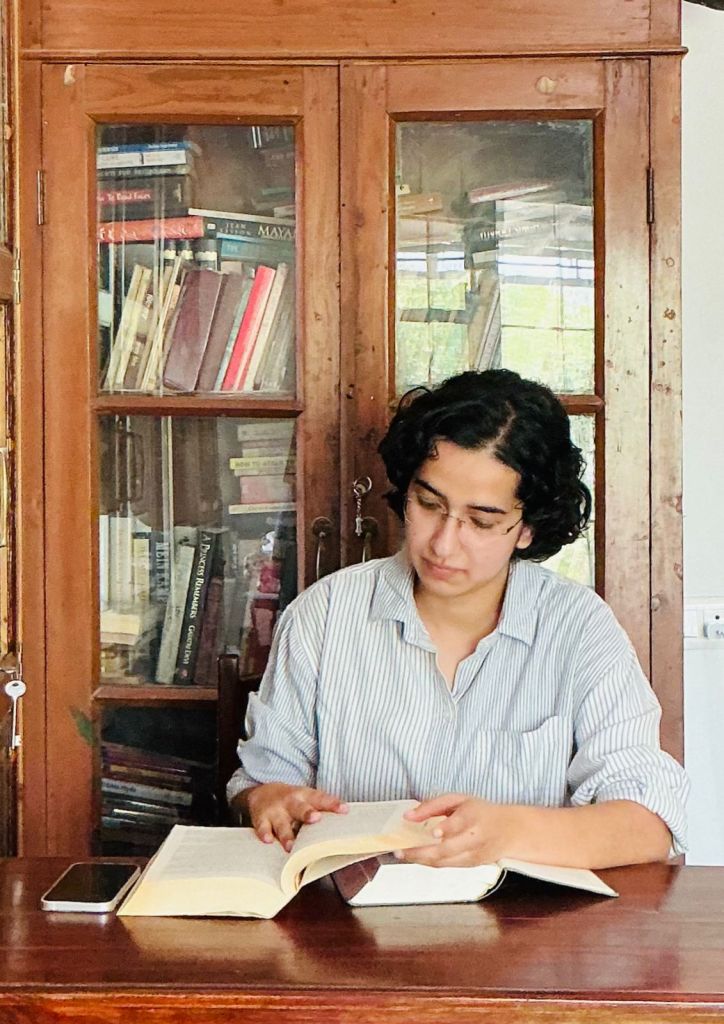
Jasleen Kaur Sidhu (born 1998) holds a Master’s degree in History from Panjab University, Chandigarh, where she specialised in the medieval history of Hindustan. Alongside her formal studies, she developed a sustained interest in the Indo-Persian world, which led her to complete an intensive language program offered by the Persian Research Center–New Delhi in collaboration with the Saadi Foundation, Iran, in which she scored 92% in the final examination. In 2020, she was offered a place in the MPhil in Late Antique and Byzantine Studies at the University of Oxford—a programme she could not join due to financial constraints. Nevertheless, she has continued to pursue her research independently. Her work broadly centers around a theme she terms: “Veins of Influence: The Quiet Flow of Persian Thought and Taste in South Asia,” which investigates the nuanced ways Persian literary and cultural traditions permeated and shaped Indian intellectual and artistic landscapes.
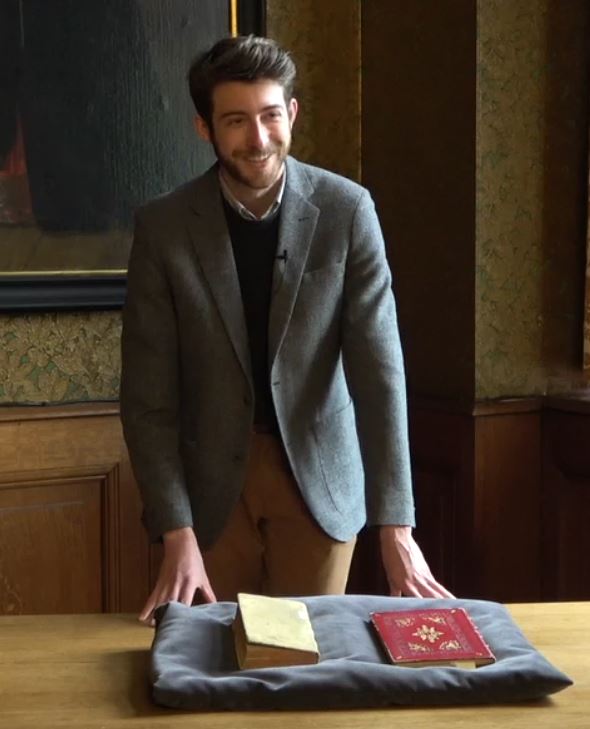
Maxime Maleux (born 1995) is a postdoctoral researcher at KU Leuven. After having conducted his PhD research on the early-modern study of Biblical Hebrew, focusing on the Leuven Trilingual College, he is currently working on bilingual manuscripts of the New Testament. His other areas of interests include Indo-European linguistics, early modern multilingualism, grammaticography and lexicography of oriental languages, and intellectual history. In his spare time, Maxime enjoys learning as many ancient languages as possible.

Milo Reddaway (born 1996) holds a degree in Archaeology from Durham University, where his undergraduate thesis focused on the archaeological evidence for Achaemenid Persian governance and the empire’s renowned policy of religious tolerance. Raised in a diplomatic family, he spent much of his life travelling across the globe, an experience that fostered a lasting fascination with ancient cultures and historical sites. His Iranian heritage, through his mother, further shaped both his personal and academic interest in the history of the Near East, Central Asia, and the broader Iranian world. He has participated in several archaeological excavations, including at the Neo-Assyrian site of Tushhan (Ziyaret Tepe) in southeastern Turkey. He currently hosts Lorekindled, a podcast exploring topics from across the ancient and medieval worlds.

Benjamin Van Noordenne (born 2003) is a Dutch-Belgian Classical Philology Master’s student at KU Leuven. He holds a Bachelor’s degree in Ancient Greek and Latin Language and Literature, and is currently working on his Master’s degree. In his Master thesis, he wishes to explore and discuss Linear A, the undeciphered Aegean script associated with the enigmatic Minoan civilization. Inspired by an Erasmus in the Eternal City of Rome, he has also started a bachelor’s degree in Archeology at KU Leuven.
 alongthesilkroad.com