The Persians in Herodotos’ Eyes

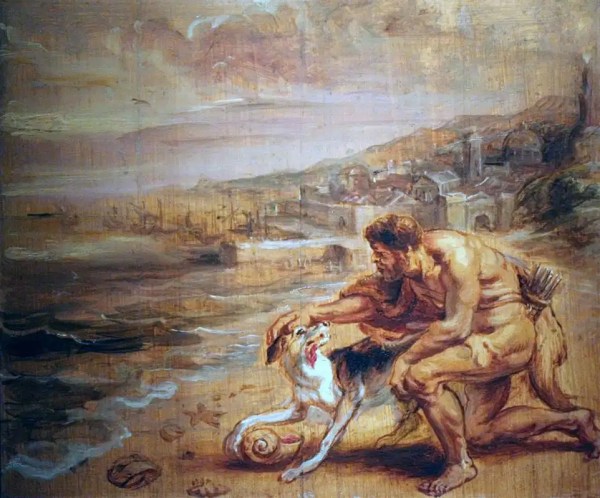
Herodotos' has been regarded by some as the source of Western Orientalism, a set of views which regards the "Oriental", and in particular the Persian, as inferior. This article wishes to set the record straight and find out Herodotos' actual views about the Persians

The History of the Hammām

In this article, Professor Idriz introduces us to the intriguing history and functioning of the hammām in Muslim society, whose use dates all the way back to Umayyad times.

Traversing the Silk Road: From the Taklamakan Desert to Chang’an

One of the most vital and treacherous segments of the Silk Road extended from the western rim of the Taklamakan Desert to the eastern capital of Chang’an (modern-day Xi’an). Crossing harsh deserts, fertile oases, and military outposts, this route encapsulated the complexity and endurance of Silk Road exchanges. The movement of goods such as silk, wool, indigo, paper, and porcelain between empires was accompanied by the transmission of religious philosophies, artistic motifs, and technical know-how—much of which survives today in the archaeological record.

The Tablet-House: Learning Cuneiform in Ancient Mesopotamia

The complexity of the scribal art in Ancient Mesopotamia necessitated the emergence of specialised institutions devoted entirely to the teaching of cuneiform to the next generation. This article aims to shed light on these schools, focusing on the Old Babylonian period (2000–1600 BCE), which is best represented in our archaeological and written source material. How did they function? What were they like?

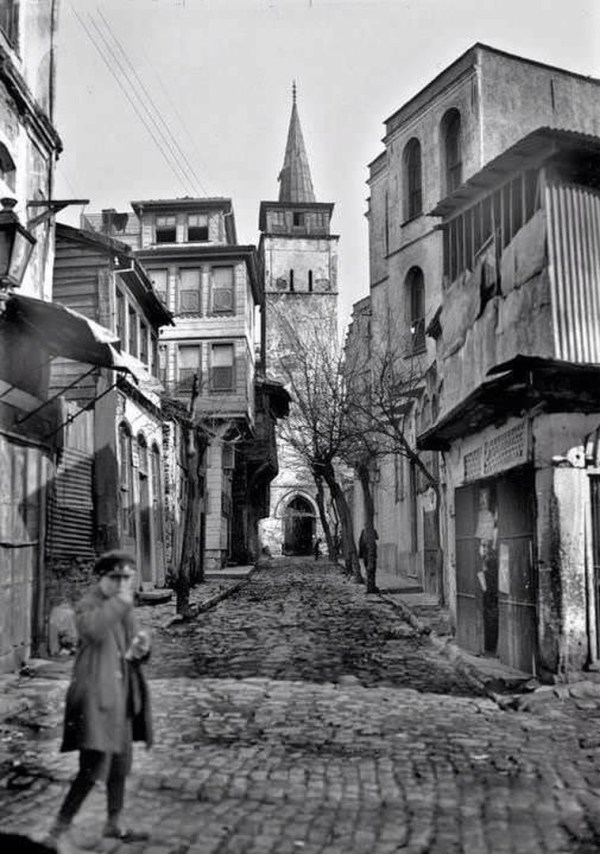
Tobacco Consumption in the Ottoman Empire and the Pipe Production of Tophane

The introduction of tobacco into the Ottoman Empire at the end of the 16th century profoundly transformed social and cultural practices across Ottoman territories. In a short time, smoking became a daily habit shared by all social classes, from humble artisans to the sultan himself. The rapid growth in consumption led to the emergence of a specific craft: the production of clay pipes, with Tophane in Istanbul becoming its most iconic center.

Praised for Its Effectiveness, Lamented for Its Cruelty: The Assyrian Army

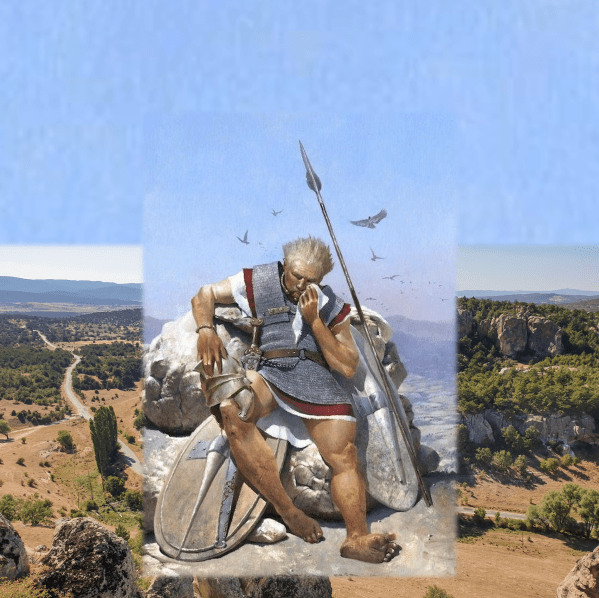
This article aims to highlight one factor that played a crucial role in the extraordinary expansion of the Assyrian Empire: its army. For roughly three centuries, the Assyrian monarchs commanded a military force that had no equal. Praised for its effectiveness and lamented for its cruelty, this formidable army left a lasting mark on military history unlike any other from the ancient Near East.

Blog at WordPress.com.

Up ↑