
Join Cemre Melis Yordamlı as she traces the last vestiges of the once vibrant Genoese presence in Istanbul.
Tracing Medieval Genoese Heritage in Modern Istanbul: The Case of The Arap Mosque
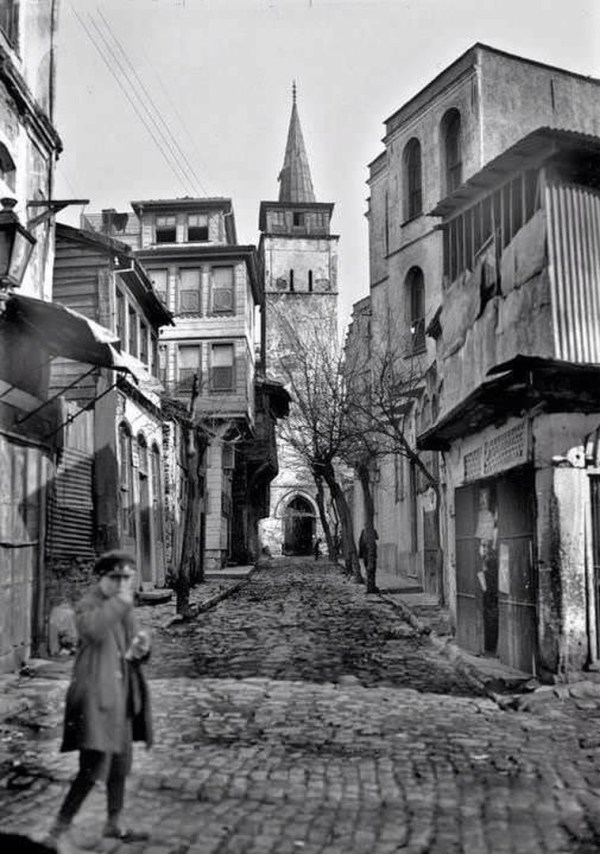
Join Cemre Melis Yordamlı as she traces the last vestiges of the once vibrant Genoese presence in Istanbul.
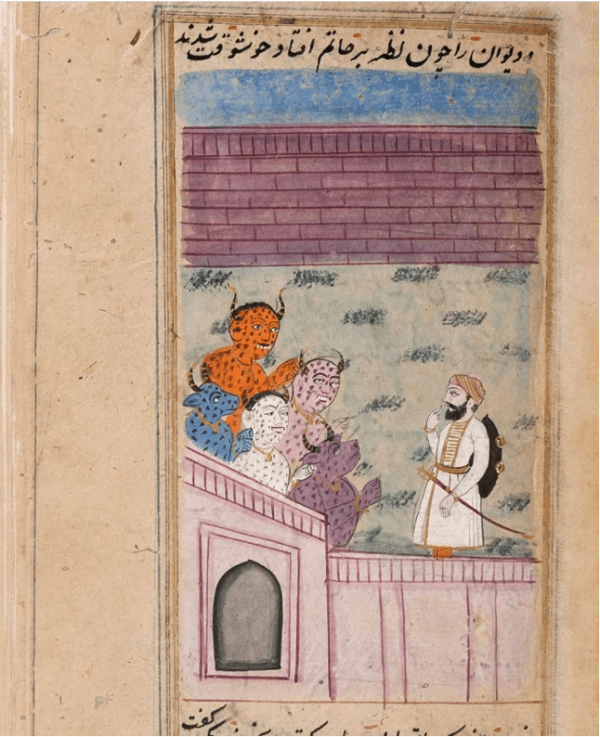
This essay explores the journey of Persian tales across the Silk Roads and their transformation within India’s literary and cultural imagination. Opening with the story of Hatim Tai, the generous Arab hero whose legend found profound resonance in Indian ethical frameworks, the essay traces how narratives traveled alongside merchants, mystics, and migrants, becoming deeply embedded in subcontinental storytelling traditions.
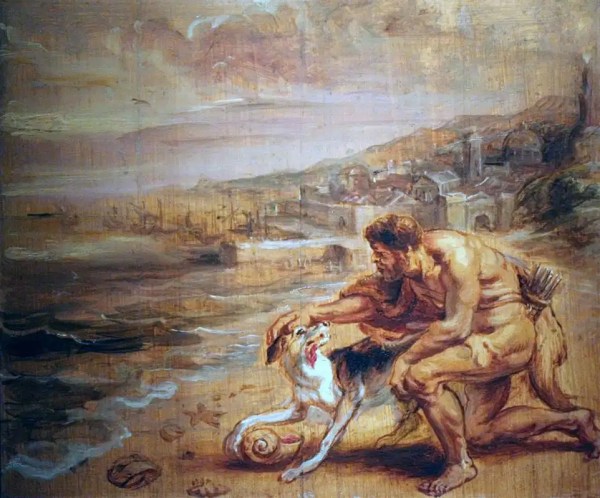
In this piece, Dr. Minunno explores the status of dogs in the Phoenician world, ranging from assumptions about their use as a substitute for a good meal to their revered reputation as faithful companions.
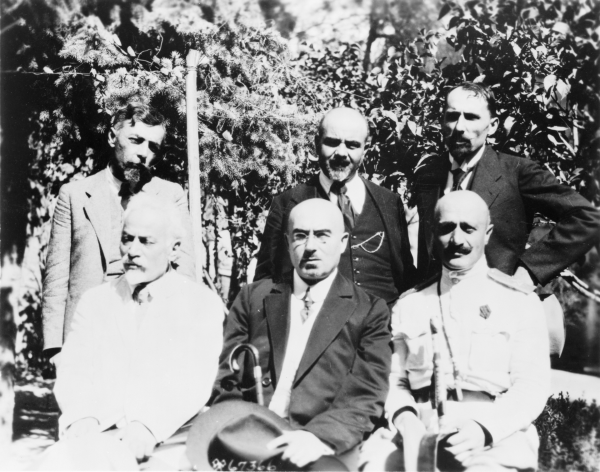
"Despite military threats and external aggression, the ultimate downfall came from within." In this article, Professor Ashot Nersisyan chronicles the history of the First Armenian Republic, from its inception in 1918 to its downfall in 1920.
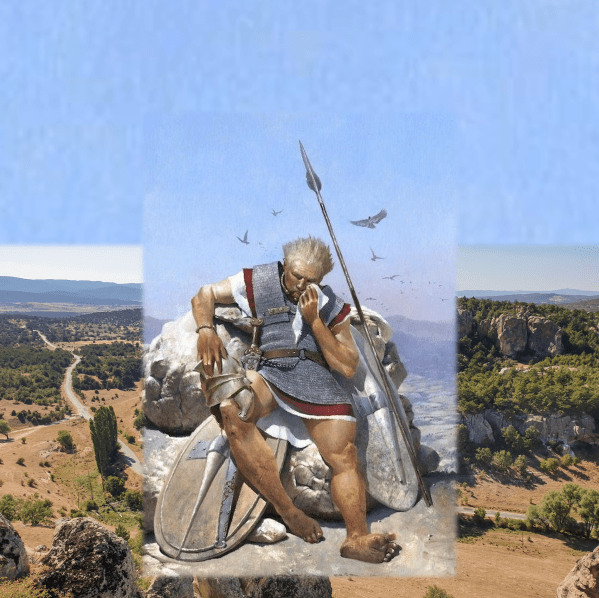
Anatolia is home to multiple obscure and lesser known languages. One of them is Galatian: a language spoken in central Anatolia between the 3rd century BCE and the 1st century CE by the Celts who migrated from Europe. This article will focus mainly on the linguistic aspects of Galatian.
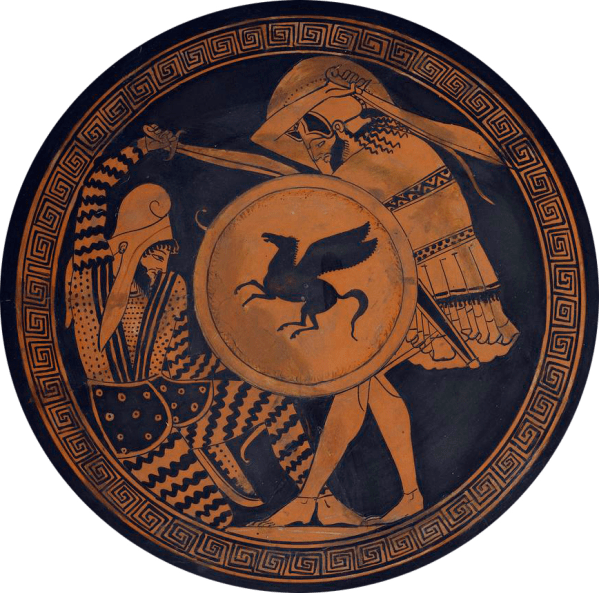
Herodotos' has been regarded by some as the source of Western Orientalism, a set of views which regards the "Oriental", and in particular the Persian, as inferior. This article wishes to set the record straight and find out Herodotos' actual views about the Persians
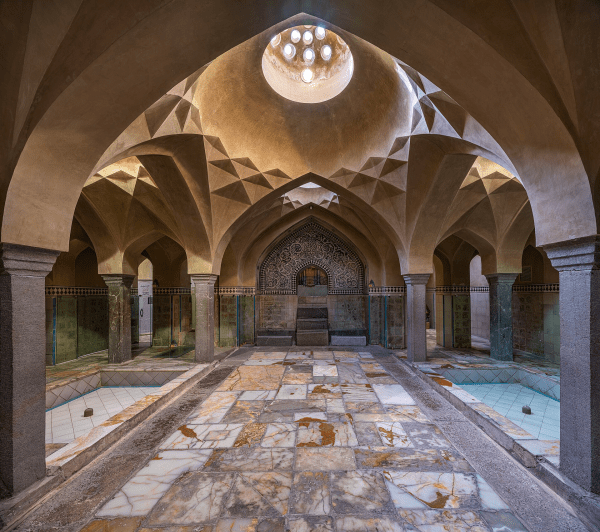
In this article, Professor Idriz introduces us to the intriguing history and functioning of the hammām in Muslim society, whose use dates all the way back to Umayyad times.
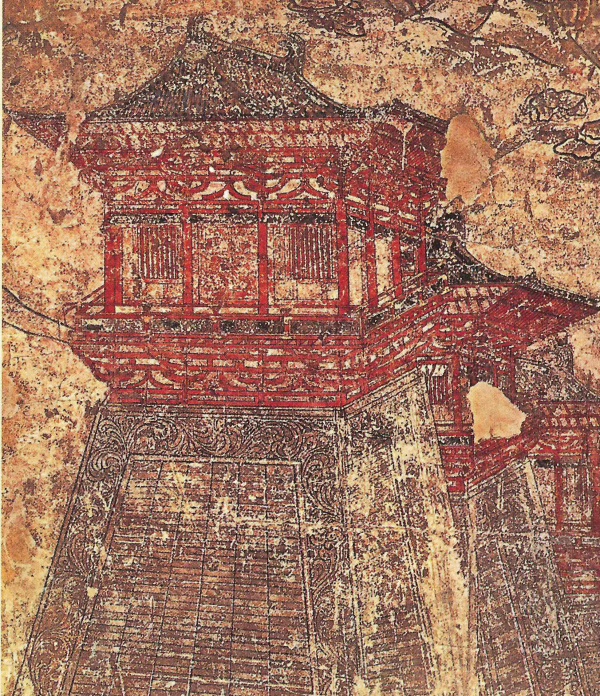
One of the most vital and treacherous segments of the Silk Road extended from the western rim of the Taklamakan Desert to the eastern capital of Chang’an (modern-day Xi’an). Crossing harsh deserts, fertile oases, and military outposts, this route encapsulated the complexity and endurance of Silk Road exchanges. The movement of goods such as silk, wool, indigo, paper, and porcelain between empires was accompanied by the transmission of religious philosophies, artistic motifs, and technical know-how—much of which survives today in the archaeological record.
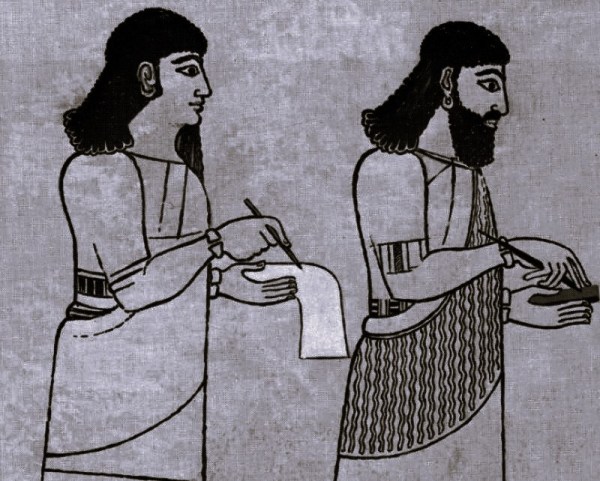
The complexity of the scribal art in Ancient Mesopotamia necessitated the emergence of specialised institutions devoted entirely to the teaching of cuneiform to the next generation. This article aims to shed light on these schools, focusing on the Old Babylonian period (2000–1600 BCE), which is best represented in our archaeological and written source material. How did they function? What were they like?
In this essay, Prof. Dr. Mesut Idriz outlines the necessity of, and practical steps toward, establishing a Global Silk Road University and a Global Silk Road Library.
 alongthesilkroad.com