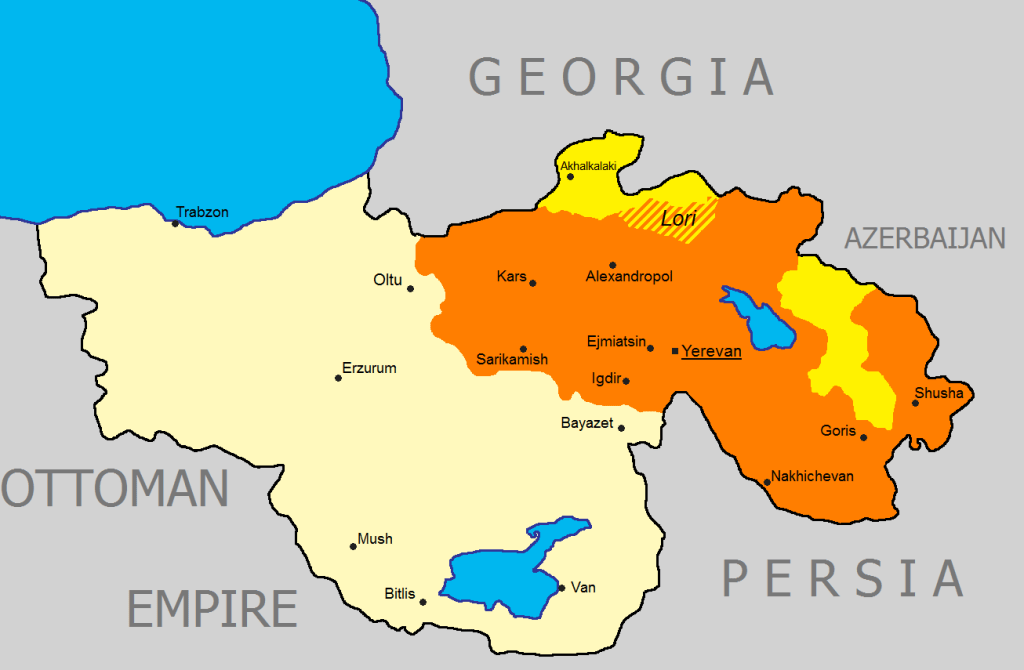
Map showing the First Republic of Armenia, 1918–1920. Wikipedia (user: Yerevanci)
On the occasion of the 100th anniversary of the First Armenian Republic established in 1918, a variety of events took place. The most significant occurred in May, commemorating the moment when, following military and diplomatic developments, the Armenian National Council declared itself the sole authority over the Armenian provinces on May 28. That declaration did not define precise borders, which was appropriate, as doing so could have provoked neighboring states. Then again, the neighbors were bound to be provoked regardless, as the fight for vital territories was only just beginning—especially after the Treaty of Batum and the Ottoman Empire’s defeat by the Allies, leading to the Mudros Armistice of October 30, 1918.
Thus, the First Republic of Armenia was proclaimed on May 28, 1918. But can we really say that modern Armenian statehood started on that date? Certainly not—because the creation of Armenian statehood is not directly proportional to the establishment of the Republic of Armenia. That is to say, when we discuss Armenian statehood in the years 1918–1920, we must not consider only the Republic of Armenia. De facto, Armenian statehood already existed before May 28. This means that May 28, 1918, should not be seen as the true beginning of Armenian statehood.
One of the consistent errors in Armenian historiography has been to regard the proclamation of a republic as the starting point of modern Armenian statehood—overlooking the fact that a form of Armenian governance already existed prior to that, albeit under a dictatorial structure (not in the classical sense), led in practice by Aram Manukyan.
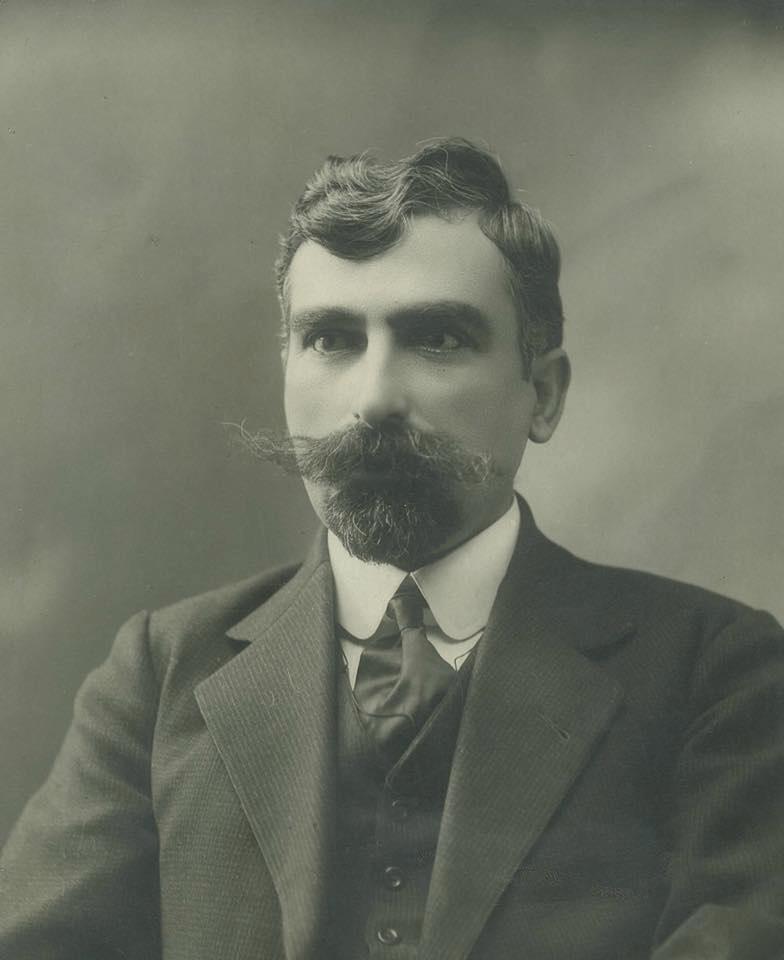
Aram Manukyan(1879-1919)
Even before that, there existed quasi-independent Armenian political entities. We get a clearer picture from the following lines by Ruben Ter-Minassian:
“By the beginning of 1918, the border issues were essentially resolved with Georgia and Azerbaijan. Before the Turks entered the Caucasus, the Shirak province (connected to Akhalkalak) and the Armenian part of Borchalu in Georgia were organized. The Armenian portion of the Kars province was established. Yerevan province had been formed, and a distinct Armenian authority had been established in Karabakh and mountainous Gandzak (including part of the city). Finally, mountainous Kazakh—today’s Dilijan region—was connected to Yerevan. The separation of these regions from Georgia and Azerbaijan caused no surprise to either the Georgians or the Tatars (Azerbaijanis), who had already accepted the situation. But the Armenian stronghold created by the Armenian National Councils was soon to be dismantled by the advancing Turkish army.”
This quote from Ruben is no accident. In the wake of the Russian October Revolution and the power vacuum it created, small Armenian political units gradually emerged. These would later attempt to unify into a single state—an effort that, unfortunately, never fully succeeded. Without diving deeply into the causes of that failure, it’s important to emphasize that by spring 1918, the Armenian State—or the Araratian Armenia—was being formed. From February 1919, steps were taken to legally consolidate those territories.
It’s also important to point out that the diplomatic process of forming Armenian statehood took place independently of the military developments in Armenia. If the Republic of Armenia emerged partly outside of the control of the Armenian diplomatic delegations, then militarily, Armenian statehood had already been formed before that.
The beginning of Armenian statehood should be dated to January 1918, when Aram Manukyan, arriving from Tiflis as an authorized representative of the Armenian National Council, immediately began forming Armenia’s administrative bodies. The National Council of Yerevan took on this role, which, as Simon Vratsian noted, had previously been a “colorless and lifeless body that merely followed events” until Aram arrived and energized it.
We believe that many publications and studies have not fully or accurately captured Aram Manukyan’s historical role. He is often regarded as the founder of Armenian statehood, which is correct—but his primary significance lies in his understanding that statehood could not be created without building governing institutions. Recognizing this, he prioritized their immediate organization. Without such structures, it would have been impossible to develop an effective policy to address territorial challenges, especially as the Armenian-Turkish war was already ongoing.
Although the body was still called the Armenian National Council, unlike the Tiflis-based council, which followed events passively, the Yerevan National Council had a fundamentally new form and purpose. It became the first Armenian governmental institution, aimed at organizing the defense against Turkish threats and establishing statehood.
The Formation of the Republic and the Role of the Parliament
The Armenian National Council had been created in Tiflis. It represented the Armenian people and had undertaken diplomatic missions, most notably the delegation sent to Trabzon for negotiations with the Ottoman Empire. This same National Council, under extremely difficult conditions, returned to the Ararat valley in the spring of 1918 and became the supreme governing body of the Armenian people. This occurred even before the Republic of Armenia was formally proclaimed. In fact, before May 28, the Council had already assumed full powers—military, administrative, and legislative—over the Armenian population and territory.
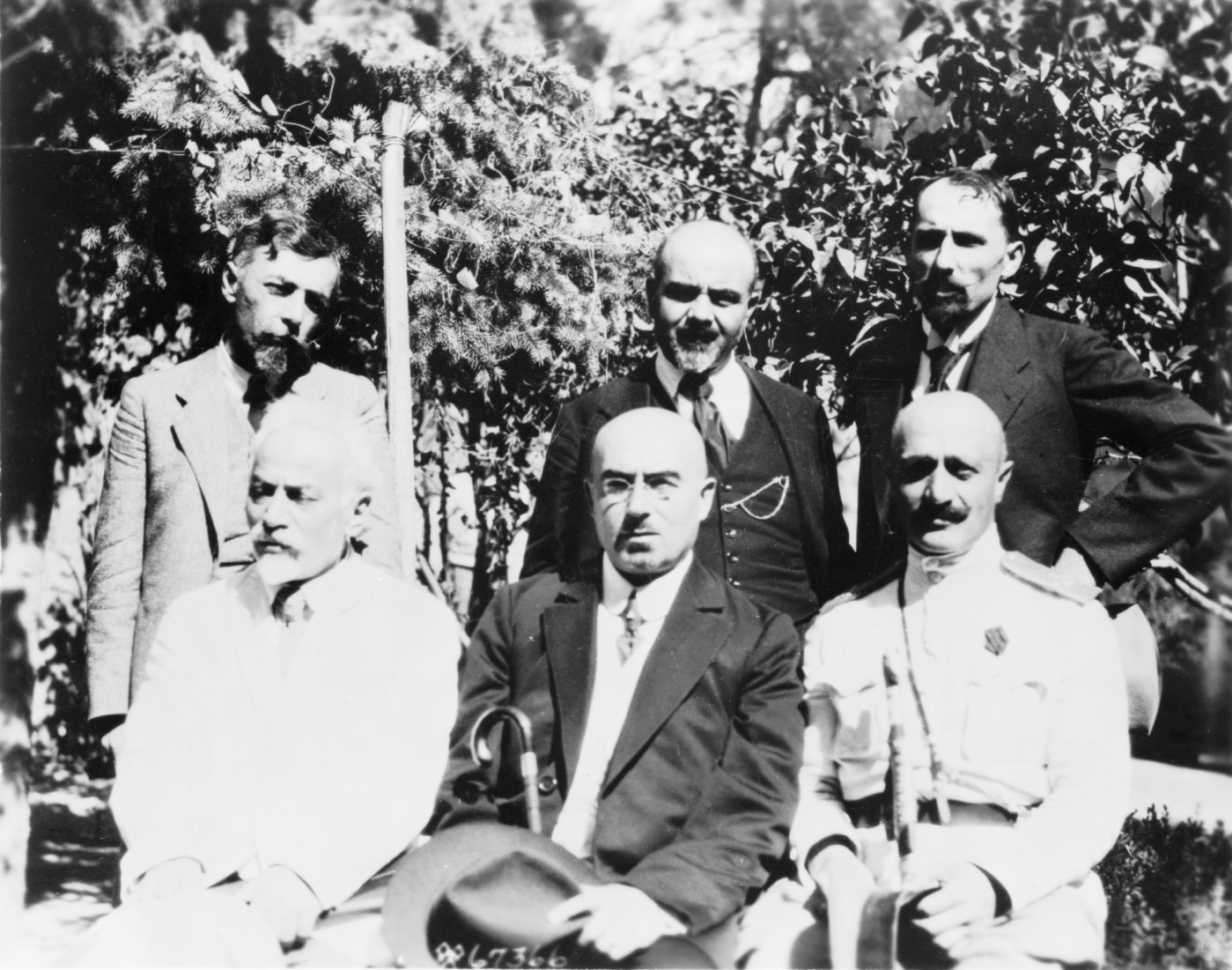
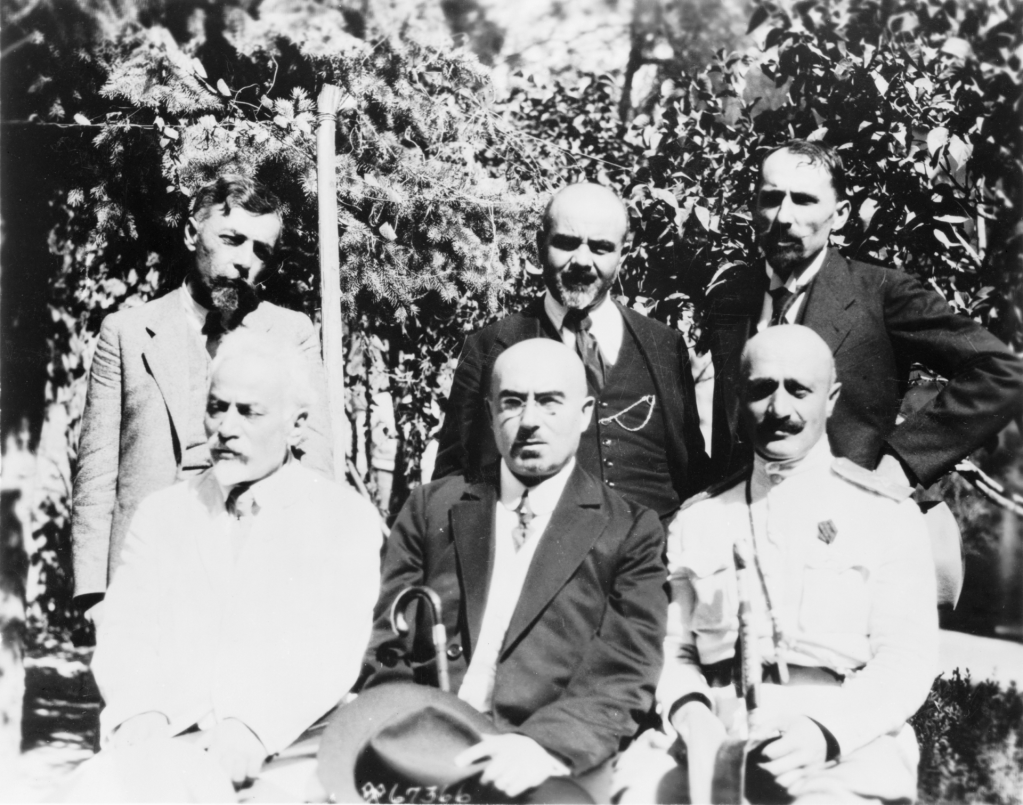
The cabinet of Armenia in October 1919.
It was not by chance that the Yerevan-based National Council was referred to as the de facto government of Armenia, while Aram Manukyan was recognized as the de facto leader. Later, this was even formalized: a “Special Committee” was created, which then became the “Body of Ministers” (cabinet). This system also functioned before the Republic was declared. In short, a structured Armenian governance system already existed prior to May 28.
“The May 28, 1918 declaration did not create Armenian statehood from scratch, but merely formalized its existence by introducing a republican form of government.”
The May 28, 1918 declaration did not create Armenian statehood from scratch, but merely formalized its existence by introducing a republican form of government. That is, it changed the form of governance, not the essence of statehood, which already existed. This distinction is crucial to avoid overemphasizing that date as the origin of Armenian statehood.
After the formal declaration, the Armenian National Council continued to function as both an executive and legislative authority. Later, as broader representation became necessary, a decision was made to expand the council and form a legitimate legislative body—the Parliament.
That Parliament was convened on August 1, 1919, based on elections held throughout Armenian-controlled territories. Though the legitimacy of those elections is debatable due to limited suffrage and uneven conditions, the Parliament functioned and played a crucial role in the country’s political life for more than a year.
The parliamentary majority belonged to the Armenian Revolutionary Federation (ARF/Dashnaktsutyun), which essentially held the reins of power. But it’s important to note that the Parliament was more than a party instrument—it was the first democratic Armenian legislative body in modern history. Despite internal divisions and political infighting, the Parliament remained active through late 1920.
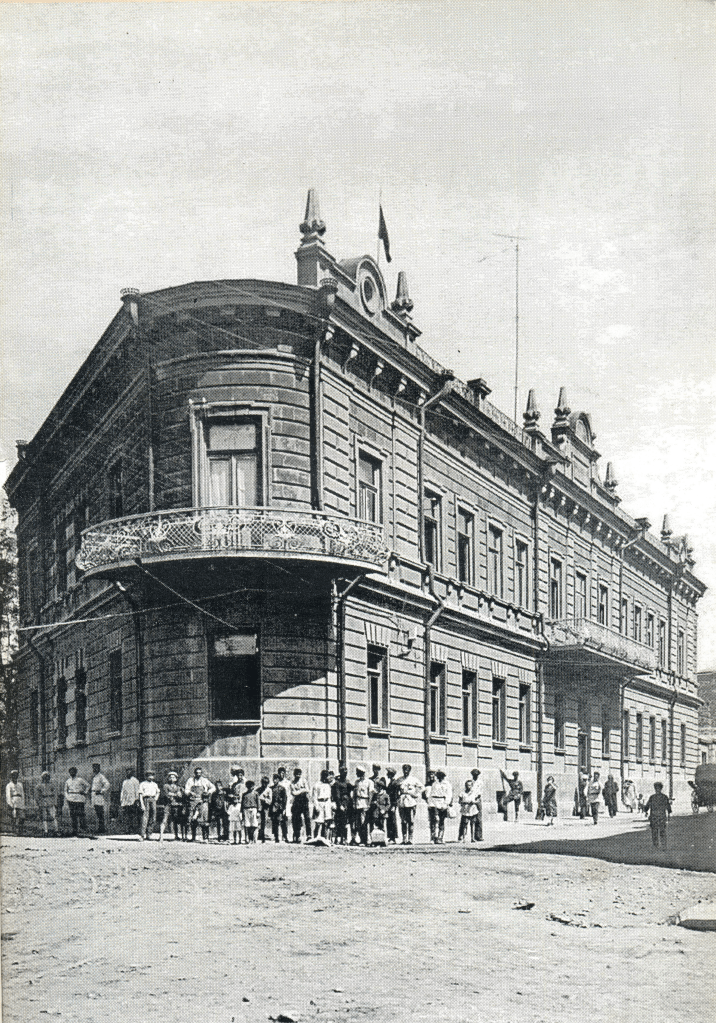
Government house of First Republic of Armenia, Yerevan, before 1920.
The Crisis of Representation and Breakdown
In early 1920, as the country faced increasing external and internal threats—primarily from Kemalist Turkey and the advancing Bolshevik movement in the Caucasus—a political crisis emerged. The Parliament was de facto suspended in February 1920. The reasons were partly practical: the state could no longer maintain both effective governance and legislative activity under crisis conditions.
At this point, the government was authorized to act independently, and the Parliament essentially gave up its powers to the ARF Bureau and the Council of Ministers. This development marked the beginning of a one-party rule, as the Dashnak party, already dominant, now acted without institutional opposition.
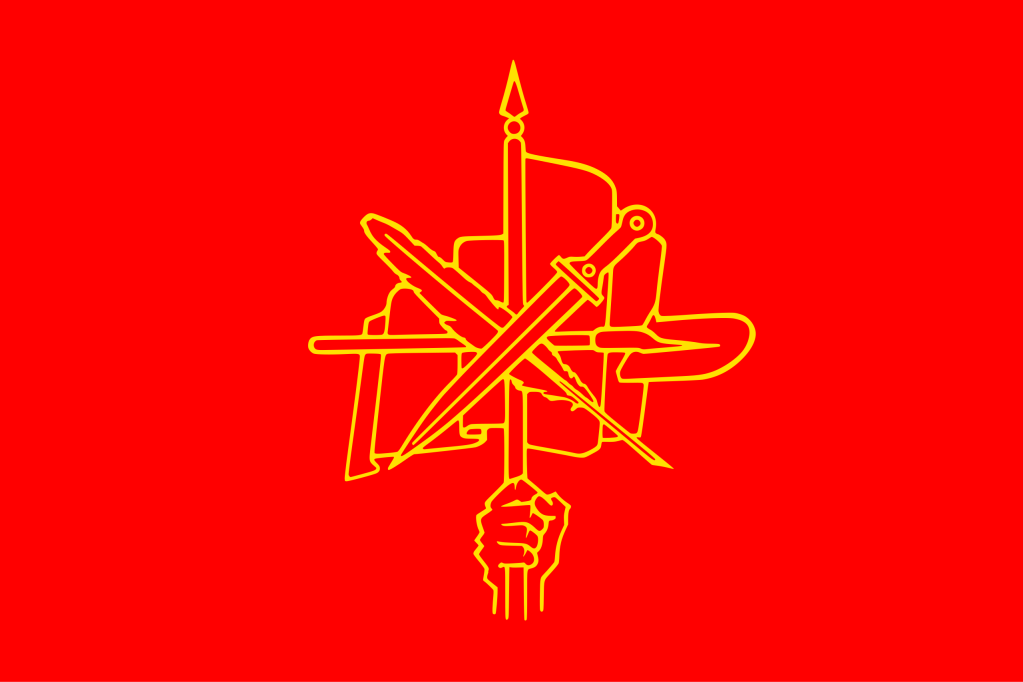
Flag of the Armenian Revolutionary Federation (Dashnak part).
The suspension of the Parliament and consolidation of power were not carried out through formal legal mechanisms. Instead, they were justified as necessary emergency measures to protect the state. But the long-term consequence was that democratic governance was replaced with party-led authoritarianism, weakening the legitimacy of the Armenian state in the eyes of both domestic and foreign observers.
“democratic governance was replaced with party-led authoritarianism, weakening the legitimacy of the Armenian state in the eyes of both domestic and foreign observers.”
Though technically temporary, this suspension of democratic processes would last until the very end of the First Republic in December 1920. The republic entered a new phase: one where state decisions were made without public participation.
One-Party Rule and the Dashnak Dictatorship
After the suspension of Parliament in February 1920, the Armenian Revolutionary Federation (ARF or Dashnaktsutyun) became the sole political force in the country. The formal state institutions still existed, but all major decisions were now made by the party leadership, particularly the ARF Bureau and the Council of Ministers. This shift marked the beginning of what many historians call the Dashnak dictatorship.
“The formal state institutions still existed, but all major decisions were now made by the party leadership”
Although this was not a dictatorship in the classical sense—with prisons filled with opposition or a cult of personality—it was a party-based authoritarian rule. Power was concentrated in the hands of a small elite, political pluralism was essentially suspended, and all administrative structures were dominated by party loyalists.
In theory, this was a temporary emergency measure, taken to stabilize the country during war and crisis. In practice, however, the ARF used this opportunity to eliminate dissent, control the media, and govern without accountability. Many opposition parties were silenced, including the Socialists, Populists, and Bolsheviks. Public protests and strikes were often repressed, and censorship increased.
The Internal Crisis and the May Uprising
These measures backfired. Economic collapse, hunger, refugee crises, and war fatigue created growing dissatisfaction with the government. The situation exploded in May 1920, when a Bolshevik-led uprising broke out in several cities, including Kars and Alexandropol (now Gyumri).
The uprising was quickly crushed by the government, but it revealed the depth of internal discontent. Hundreds of people were arrested; some were executed. The Dashnak government declared martial law and began a wave of political repression targeting anyone suspected of Bolshevik sympathies.
This marked a turning point. Even among moderate Armenians and former supporters of the ARF, many began to view the government as illegitimate, especially given its inability to improve living conditions or win military victories.
War, Isolation, and the Fall of the Republic
By late summer and fall of 1920, Armenia was completely isolated. Georgia and Azerbaijan had already been Sovietized, and Kemalist Turkey was rising in strength. Meanwhile, Armenia’s diplomatic hopes in the West—particularly support from France, the U.S., or the League of Nations—did not materialize.
In September 1920, Turkish forces invaded Armenian territory. The Republic of Armenia was unable to mount effective resistance. The army was under-equipped, morale was low, and internal divisions further weakened the defense. City after city fell, and by late November, Turkish troops had reached deep into the country.
Faced with military defeat and no foreign help, the Dashnak leadership agreed to negotiations with the Bolsheviks. On December 2, 1920, the Armenian government peacefully handed over power to the Soviet authorities, and Armenia was declared a Soviet Socialist Republic.
“Despite military threats and external aggression, the ultimate downfall came from within”
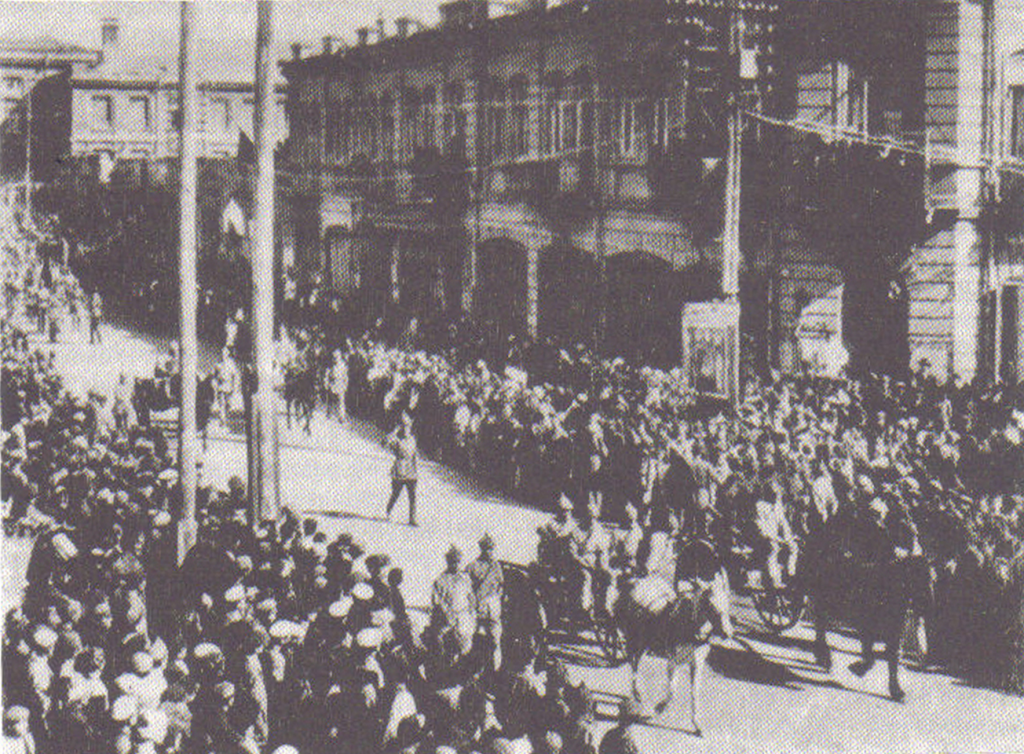
The Soviet 11th Red Army marching down Yerevan’s Abovyan Boulevard, effectively ending Armenian self-rule.
The End of the First Republic
The First Republic of Armenia ceased to exist after two and a half years of fragile independence. While it was a remarkable achievement in terms of state-building under extreme conditions, its democratic foundations had already eroded before the final collapse.
The failure of pluralism, the move toward party-led authoritarianism, and the inability to unite society in crisis all contributed to the fall. Despite military threats and external aggression, the ultimate downfall came from within: a state that began with democratic aspirations ended as a one-party regime, ill-prepared for the geopolitical storm surrounding .
Professor Ashot Nersisyan
Ashot Artashes Nersisyan (b. 1962) is a professor at the Chair of Armenian History at the Faculty of History, Yerevan State University (YSU). A specialist in historical sciences, his academic focus lies in the history of the Armenian national liberation struggle, the First Republic of Armenia, the Armenian Question, and Armenian political parties. Nersisyan earned his Master’s degree in History from YSU in 1985 and continued as a PhD student at the same faculty until 1990. In 2009, he was awarded the academic title of Professor in Historical Sciences. Fluent in Armenian, Russian, and English, he has taught in various educational institutions across Armenia. His professional career began as a schoolteacher in the villages of Irind and Katnakhbyur (1985–1989), followed by a lectureship at YSU from 1990 to 1998. Between 2002 and 2016, he was also a lecturer at Northern University of Yerevan. From 2006 onward, he has served as a professor at YSU. Nersisyan also held administrative roles at YSU’s Ijevan branch, first as Head of the Armenian History and Social Studies Chair (2014–2016), and later as Dean of the Faculty of Social Sciences (2016–2018).



Leave a comment