
“He who does not know beer, does not know what is good”
-Sumerian proverb
Beer has been part of our diet quite literally since the dawn of history. As soon as writing was invented in the land of the Tigris and Euphrates, our sources testify to the widespread production and distribution of this alcoholic beverage. Breweries continued to operate throughout the entire length of Ancient Mesopotamia’s rich and long history. Initially barley-based, dates became the central component in crafting beer at the turn of the first millennium BCE. This article wishes to shed some light on the beer, beer culture, and beer enterprises of Babylonia, with particular attention to the 1st millennium BCE, drawing on the rich source material left by the various Neo-Babylonian and Achaemenid archives from Ancient Iraq.
The Origins of Beer: The 3rd and 2nd Millennia BCE
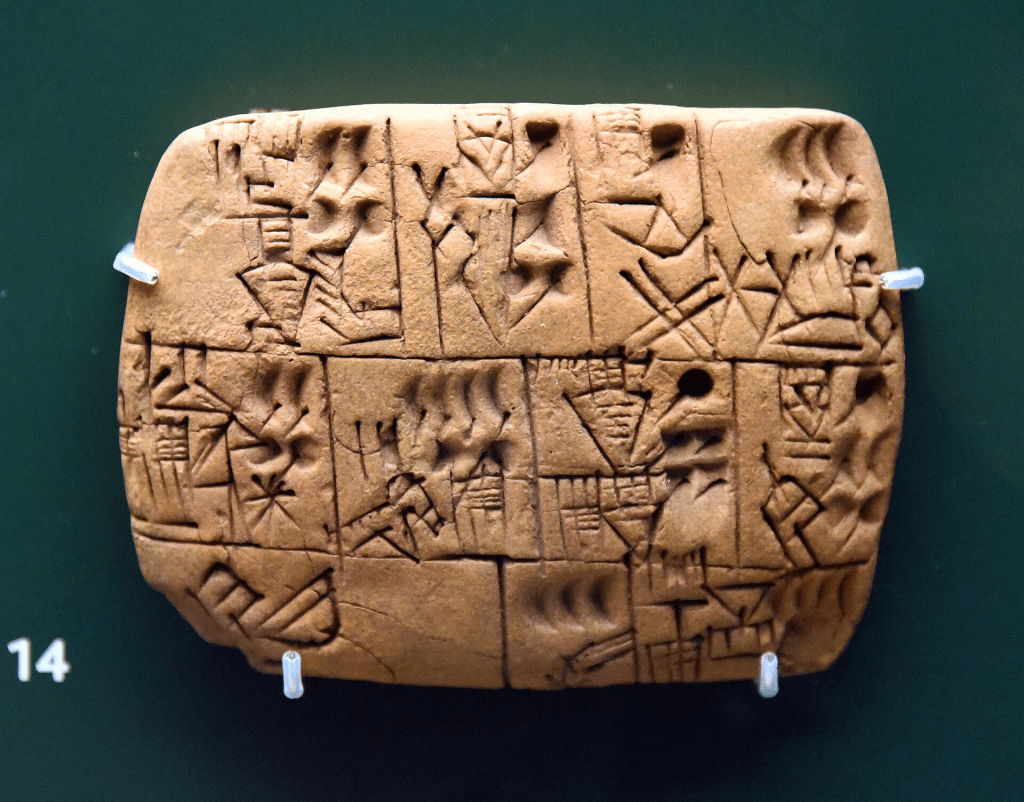
As soon as the Mesopotamians invented their writing system for the sake of recordkeeping at the end of the 4th millennium BCE, beer already started to appear as a central component of their diet. Known as kaš in Sumerians and šikāru in Akkadian, the evidence supports the widespread consumption of the alcoholic drink already at the earliest stage of Ancient Near Eastern history. In fact, at the site of Godin Tepe in modern-day Iran, chemical traces of beer have been discovered that date back to the middle of the 4th millennium BCE.
“…making beer quite literally the beverage of the gods”
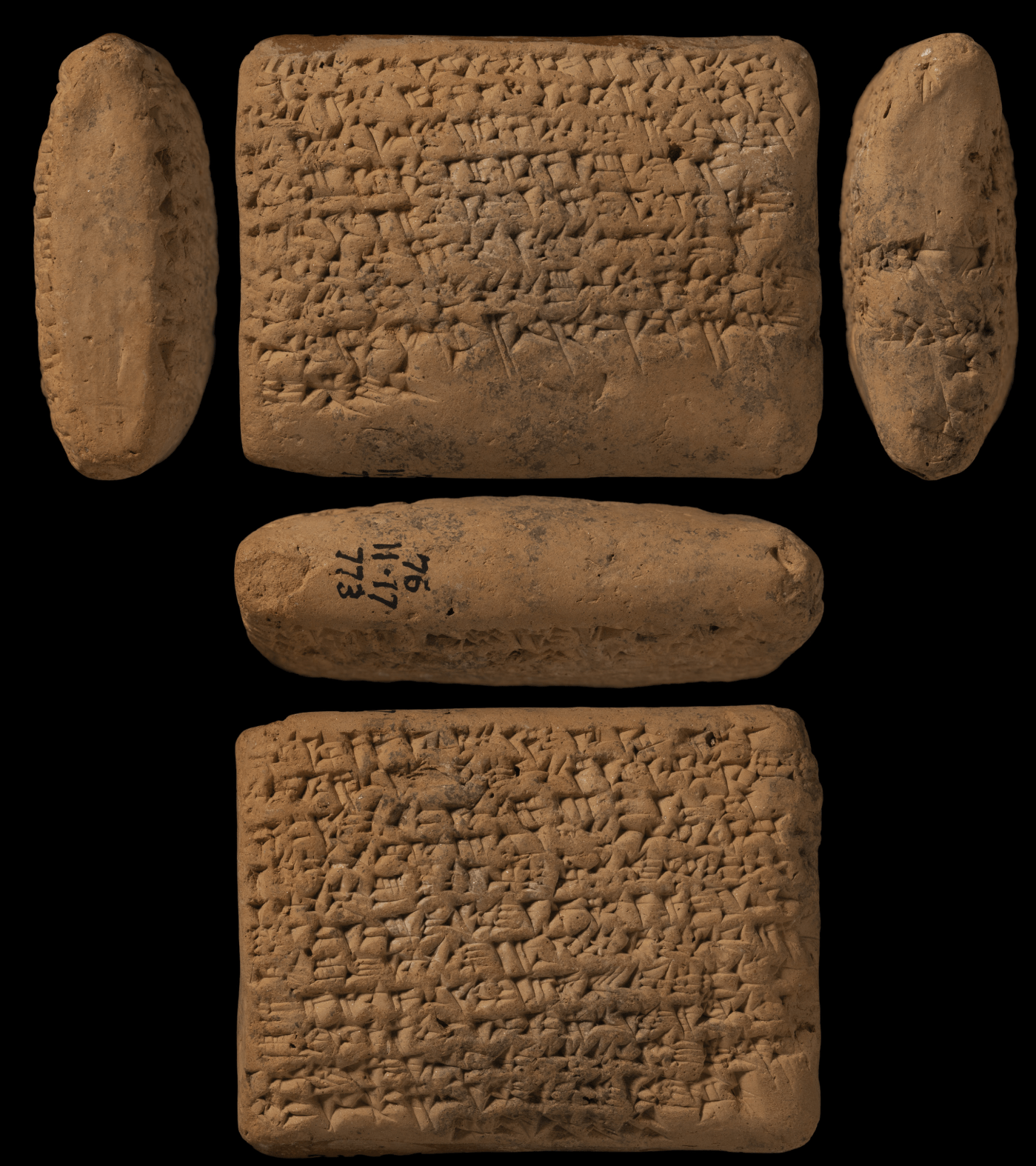
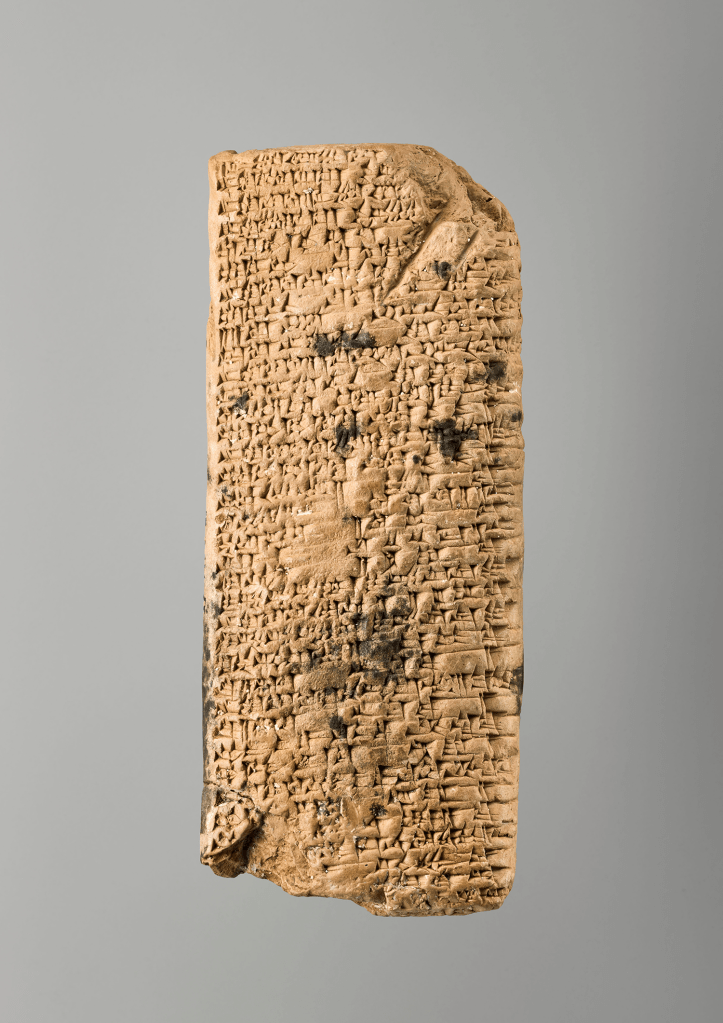
Most cuneiform tablets merely mention its distribution without shedding too much light on the production process itself.1 Luckily, literary pieces such as Enki’s Return and the Hymn to Ninkasi have amended our understanding of ancient brewing practices.2 Especially the latter composition has been of great value to researchers. The Hymn to Ninkasi was a mythical poem that has come down to us through three copies from the Old Babylonian Period, ca. 1800 BCE, describing the brewing process in mythical and sometimes ambiguous terms. It was dedicated to Ninkasi, the Sumerian brewing goddess who was believed to be the welcome cause of drunkenness.
Besides the written sources, scanty evidence can be gathered from the archaeological record, with, for example, a possible brewery (é-lunga in Sumerian) having been discovered at the site of ancient Lagash (Tell al-Hiba), dating to the Early Dynastic III period (ca. 2600–2350 BCE). Excavations at Tell Bazi in modern-day Syria have also given us interesting information about beer consumption in the 2nd millennium BCE. In many houses, sets of brewing vessels have been unearthed, giving rise to the idea that most households crafted their own beer at this particular site.3
Beer was a drink that was held in high esteem by the Mesopotamians, as can be inferred from the poem Inanna and the God of Wisdom, in which Inanna and Enki, the wisdom deity, both become intoxicated through its consumption, making beer quite literally the beverage of the gods.4 The poem also describes how Enki defeats the mother goddess Ninḫursag in a drinking game, reflecting the idea of the weakness of someone who could not hold themselves together while drunk. As is the case today, beer was consumed on a variety of occasions, be it festivals, rituals, or just for everyday leisure. It was a drink loved by many, as reflected by the Sumerian proverb: “He who does not know beer, does not know what is good”.
During the 3rd and 2nd millennia BCE, the beer of ancient Iraq was predominantly a barley-based fermented beverage, using two key ingredients: malted barley and a kind of barley bread.5 Emmer, wheat, and date syrup are also attested as possible ingredients early on. There were consequently different types of beer, with distinction often being made based on quality and strength.6 However, at the turn of the 1st millennium BCE a momentous shift took place in Babylonian beer culture, as dates supplanted barley as the main ingredient.
Beer in the 1st Millennium BCE: Date Beer
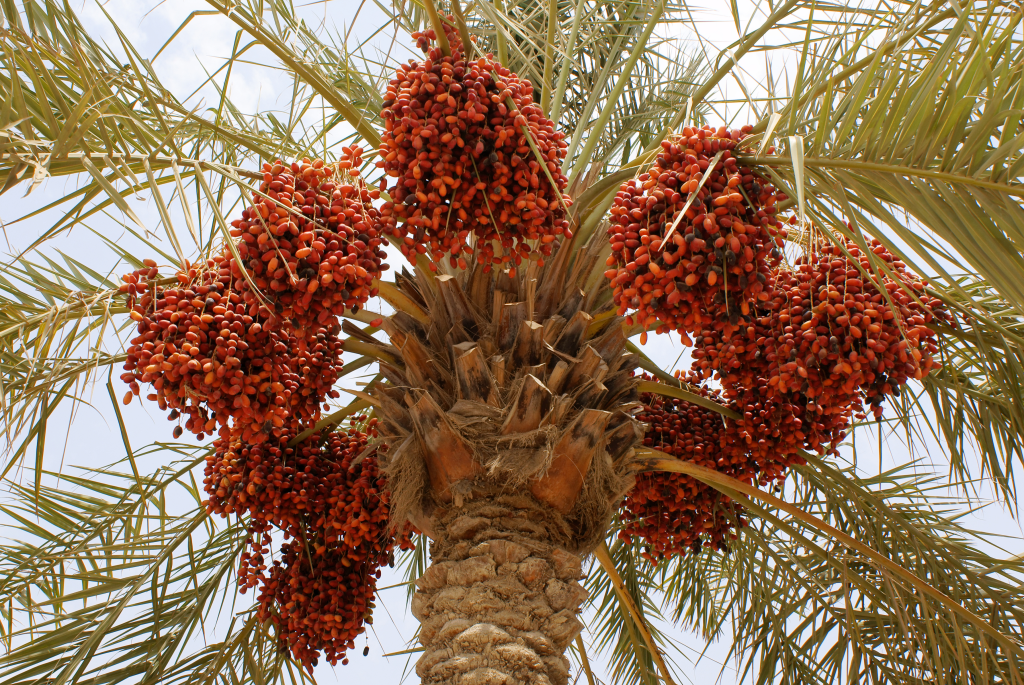
As already briefly mentioned above, dates were already familiar to the brewers (sirašû) of the Ancient Near East since the 3rd millennium BCE, more specifically as a sweetener and as the basis for wine.7 The shift to dates as the main component at the turn of the 1st millennium BCE is quite remarkable since, as A. Leo Oppenheim points out, food has proven to be one of the most conservative elements in any culture.8
Šikāru nevertheless remained the commonplace term used for beer in 1st millennium BCE Babylonia, referring now to both barley and date beer. This makes it quite challenging sometimes to discern which type was actually meant in the source material. Research, however, has pointed out that dates became the preferred basis of everyday beer, making it probable that many of our attestations of šikāru indeed refer to date beer.9 Barley beer, such as the solid biltu/billatu type, on the other hand, seems to have become mainly confined to ritual contexts.10 However, date beer also occasionally pops up in tablets originating in one of the Babylonian temples, such as the nāšu and zarbabu variants. Although most brewers probably specialized themselves in only one type, we sometimes also encounter brewers who apparently produced both barley and date beer.11
The Brewing Process
“Tero Alstola has described the final product as tasting like a dry cider, with the sweetness of the dates having disappeared completely after fermentation.”
To craft date beer, water was required, with the occasional addition of a plant called kasû—perhaps dodder (Cuscuta) (cf. infra). Due to the absence of Mesopotamian recipes, Assyriologist Tero Alstola from the University of Helsinki has turned to the 1st-century Greek pharmacologist Dioscorides to get some idea of how the Babylonians might have crafted their own date beer and how it might have tasted. The Greek author describes how first water and dates were mixed in a cask and were allowed to ferment for ten days. Due to the date’s natural yeasts, the fermentation could happen without any additional products. After the chemical breakdown of the dates through these yeasts, the alcoholic beverage was filtered to remove the date mash from the liquid. This was done via the “squeezing vat”, the namzītu, a large vat with one or more holes in the bottom through which the šikāru dripped into a “collector vat” (perhaps the often-cited namḫaru).12 Tero Alstola has described the final product as tasting like a dry cider, with the sweetness of the dates having disappeared completely after fermentation. Date “beer” thus seems to resemble modern-day cider more than actual beer.13 However, “beer” has been the commonly accepted translation for decades now and is therefore also maintained in this article.14
Often mentioned in connection with the brewing of Neo-Babylonian šikāru is kasû, a plant used for both date and barley beer.15 Kasû, called gazi in Sumerian, was already known in the land of the Tigris and Euphrates for centuries, being initially used primarily as a spice.16 During the 1st millennium BCE kasû starts appearing in significantly larger numbers, with almost exclusive usage for the brewing of beer. The exact identity of kasû remains elusive, giving rise to different theories. In the tablets, it is described as a plant which grew “on the plain (ṣēru)” and in moist areas and which was associated with “wild growing plants” (atartu).17 In relation to the brewing process, it is mentioned that it needed to be “sifted” (naḫlu) and/or “finished” (qatû) first before adding it to the brew. One theory claims that we are dealing here with some kind of mustard, while another opts for an interpretation of kasû as a “common beet”.18 The most commonly accepted identification is that of Cuscuta, also known as dodder or amarbel, a parasitic plant which winds around other plants.19 Although not used anymore in the brewing of beer, it constituted one of the central ingredients of the beverage back in Mesopotamia during the 1st millennium BCE.
After the product was finished, the šikāru was preserved in special vats, with the largest and most amply attested being the dannu-vessel. However, the specific size of only one type of vat has been positively documented in our source material, namely that of the ṣindû, which could carry around 18 litres of liquid.20 These vessels were then stored in some sort of rack, a wooden kankannu or šiddatu, which was probably shaped so as to accommodate the beer vessels with rounded, perforated, or pointed bottoms to sit upright.
As in previous periods, a distinction was made between different kinds of date beer. Thus, in the Neo-Babylonian and Achaemenid Period periods we primarily encounter “old beer”, “sweet beer”, and “white beer”. It is difficult to determine, however, what the exact differences were between these different brews. For “old beer”, it seems likely that we are dealing with brews which were simply over one year old.21 For “sweet beer”, it seems reasonable to assume that some sort of sweetener was added to balance the previously mentioned dry taste of the fermented dates.
The Beer Business and Taverns
“Beer was a commodity in high demand … We therefore see rich and ambitious families from Babylonia engaging extensively in the large-scale production and sale of šikāru.”
Beer was a commodity in high demand. In Neo-Babylonian ration lists, we encounter the distribution of daily portions ranging between 1 and 3 litres of beer.22 For prices, we have only information about the prices of the above-mentioned dannu-vats, giving ½ shekel (4 grams) for one vat of “white beer”, and ½ to 2 shekels (16 grams) of silver for one vat of “sweet beer”.23 Good money was to be made in this sector. We therefore see rich and ambitious families from Babylonia engaging extensively in the large-scale production and sale of šikāru. According to Michael Jursa, it is even probable that beer constituted one of the basic Mesopotamian export products of this period, although evidence about commerce is unfortunately scanty.24 Be that as it may, the beer sector has given rise to some of our best-attested and largest Babylonian business partnerships (ḫarrānu), in which multiple businessmen invested their capital together into a single beer enterprise.25 These beer enterprises could truly be of a massive scale, as is the case, for example, with the beer business of the Murāšû family, a family who flourished during the second half of the 5th century BCE when Mesopotamia was firmly in the grip of the Achaemenid Empire. Jursa has observed that these businesses can be connected to the significant expansion in the number of date orchards in the Babylonian countryside, which were probably often meant for the brewing of šikāru. All of this, however, does not mean that the beer business was solely in the hands of these big entrepreneurs. Beer production and retail was, in fact, also interesting for more modest ventures of city-dwelling landowners who sought to gain a buck or two from one of their orchards.26
The manual labour involved in brewing, however, was considered below the status of the elite, who left much of the actual work to their slaves and women, i.e. marginalized groups of Mesopotamian society. The association between beer and women already dates back to the 3rd millennium BCE, with the Sumerian patron of beer and brewing, Ninkasi, and her Akkadian counterpart, Kurunnītu, being female deities. Later, in Old Babylonian times, the “ale-wife” (sābītum) constituted an established part of society.27 The female role in the brewing and selling of beer remained significant throughout the 1st millennium BCE. Thus, we sometimes even encounter brewing equipment in dowries.28 Despite this bias, the brewing of beer could open up serious opportunities for ambitious women who were all too often overlooked in this patriarchal society. A remarkable example worthy of mention in this regard is Isḫunnatu. She was a female slave of the powerful Egibi family from Babylon who was entrusted with the running of the family’s beer business at the city of Kish with unusual autonomy during the second half of the 6th century BCE. 29This association between beer and women was not confined to Babylonian culture, however, with this idea also prevailing in other periods and regions, such as Medieval Europe.30
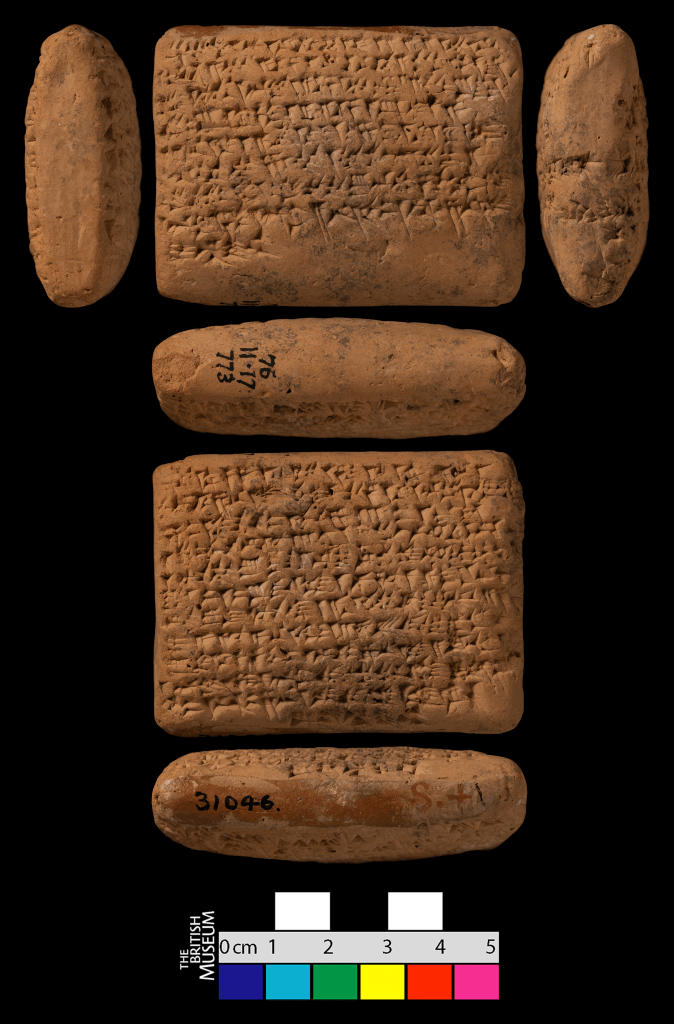
All of this raises our final question: where was the beer eventually sold and consumed in Neo-Babylonian and Achaemenid Mesopotamia? There are unfortunately some complications for Assyriologists who specialize in 1st millennium Babylonia: most of our surviving archaeological material dates to earlier periods. Particularly at the capital Babylon, material evidence from these centuries leaves much to be desired, as the changing course of the Euphrates has destroyed or covered much of the Neo-Babylonian and Achaemenid layers. In other words, we cannot brag here with fancy painted bars such as the ones which Pompeii and other Roman sites have yielded. Fortunately, the written sources can fill up some of the gaps here. Inventories have been found containing furniture and utensils necessary for the production and consumption of šikāru, which might have been destined for a tavern (bīt aštammi/aštammu). For example, two texts from 524 BCE list several of the above-mentioned items necessary for brewing, such as dates, the namzītu, and the vessel stand (šiddatu).31 Besides, we encounter cups, tables, and chairs for accommodating the consumers. Interestingly, these tablets also refer to beds, giving guests the option to stay the night, making this tavern in a certain way more akin to an inn. This inclusion of sleeping accommodation has given rise among some researchers to the theory that these taverns could have also functioned as brothels.32 Unfortunately, evidence about prostitution in our period remains very scarce, leaving a definite answer to this question open.
Conclusion
Beer has been a central component of the Mesopotamian diet since the earliest days of Ancient Near East history, being initially barley-based before dates became the central ingredient of the beverage during the 1st millennium BCE. It was a fairly easy drink to prepare, partially thanks to the dates’ possession of their own yeasts, making fermentation a straightforward process of just waiting several days. Elements such as kasû and references to different types in the Akkadian vocabulary, however, reveal that there must have been considerable diversity in the Mesopotamian beer menu. Loved by all, beer was drunk in abundance. It therefore became an interesting venue for profit, giving rise to large beer enterprises formed by prominent families. The actual manual labour, however, was left to marginalized groups of Mesopotamian society such as women and slaves, for whom beer and its importance offered an opportunity to climb up the societal ladder.
Olivier Goossens
Bibliography
- Alstola, T., “DATE BEER: BREW IT LIKE THE ANCIENT BABYLONIANS”, CSTT.fi, 2017. Consulted through https://blogs.helsinki.fi/sacredtexts/2017/12/22/date-beer-brew-it-like-the-ancient-babylonians/ on 20 April 2026.
- Cocquerillat, D., Palmerais et cultures de l’Eanna d’Uruk, 1968, Berlin.
- Cooper, J., “Prostitution”, Reallexikon der Assyriologie und Vorderasiatischen Archäologie, Vol. 11, 2006, Berlin, pp. 12-21.
- Contenau, G., Contribution à l’histoire d’Umma, 1915, Paris.
- Damerow, P., “Sumerian Beer: The Origins of Brewing Technology in Ancient Mesopotamia”, CDLI, 2012. Consulted through https://cdli.earth/articles/cdlj/2012-2 on 15 April 2026.
- Joannès, F., “Inventaire d’un cabaret”, Nouvelles Assyriologiques Brèves et Utilitaires, 1992/64.
- Joannès, F., “Inventaire d’un cabaret (suite)”, Nouvelles Assyriologiques Brèves et Utilitaires, 1992/89.
- Jursa, M., “Business companies in Babylonia in the first millennium BC: structure, economic strategies, social setting”, The Knowledge Economy and Technological Capabilities: Egypt, the Near East and the Mediterranean 2nd millennium B.C. -1st millennium A.D. Proceedings of a conference held at the Maison de la Chimie Paris, France 9-10 December 2005, ed. M. Wissa, 2010, Barcelona, pp. 53-68.
- Landsberger, B., “The Date-Palm and its By-products According to the Cuneiform Sources”, Archiv für Orientforschung: Beiheft, Vol. 17, 1967.
- Mark, J., “The Hymn to Ninkasi, Goddess of Beer”, World History Encyclopedia, 2022. Consulted through https://www.worldhistory.org/article/222/the-hymn-to-ninkasi-goddess-of-beer/ on 15 April 2022.
- Maurizio, A., Geschichte der gegorenen Getränke, 1933, Berlin.
- Paulette, T., “Potent Potables of the Past: Beer and Brewing in Mesopotamia”, The Ancient Near East Today, Vol. 5, No. 4, 2017. Consulted through https://www.academia.edu/32907473/Potent_Potables_of_the_Past_Beer_and_Brewing_in_Mesopotamia on 10 April 2026.
- Roth, M., Babylonian marriage agreements: 7th-3rd centuries B.C., 1989, Neukirchen-Vluyn.
- Stol, M., “Beer in Neo-Babylonian Times”, Drinking in Ancient Societies, ed. L. Milano, 1994, Padova, pp. 155–183.
- S.n., “A hymn to Ninkasi (Ninkasi A)”, ETSL, 2003 (1999). Consulted through https://etcsl.orinst.ox.ac.uk/cgi-bin/etcsl.cgi?text=t.4.23.1# on 15 April 2026.
- Tolini, G., “Between Babylon and Kiš: The economic activities of Ishunnatu, a slave woman of the Egibi Family (Sixth Century BC)”, workshop REFEMA 2: The Economic role of women in the public sphere in Mesopotamia: from the workshop to the marketplace, 2013, Tokyo.
- Damerow 2012. ↩︎
- For a translation: https://etcsl.orinst.ox.ac.uk/cgi-bin/etcsl.cgi?text=t.4.23.1# ↩︎
- Paulette 2017. ↩︎
- Mark 2022. ↩︎
- Paulette 2017. ↩︎
- Idem. ↩︎
- Stol 1994, 157; Helck 1971, 32-36. ↩︎
- Oppenheim 1950, 42, note 29. ↩︎
- Stol 1994, 161. ↩︎
- E.g. VAS 3, 47; 4 189. ↩︎
- Dar. 395. ↩︎
- although it isn’t entirely clear whether this often-cited instrument served as a collector’s vat > problematic interpretation of this term in VAS 6 182. ↩︎
- Alstola 2017. ↩︎
- Following the example of Alstola. ↩︎
- Sometimes dates, barley and kasû delivered together to brewers = CT 55 381; TCL 13 227; BIN 1 135; CT 57 64; YOS 17 360. ↩︎
- Contenau 1915, No. 104. ↩︎
- Cocquerillat 1968, 29 ↩︎
- Landsberger 1967, 337-38; beet: Geller 1982, 193-94. ↩︎
- Stol 1994, 175. ↩︎
- CAD, s.v. “ṣindû”. ↩︎
- CT 22 96 & Dar. 168. ↩︎
- Nbn. 113; Nbn. 811; CT 56 288; ADD 1055. ↩︎
- Nbn. 173, Nbn. 815, Camb. 331, TuM NF 2-3 232. ↩︎
- Jursa 2010, 59. ↩︎
- Ibidem, 60. ↩︎
- Ibidem, 61. ↩︎
- Stol 1994, 179. ↩︎
- Roth 1989, Nos. 19 & 25. ↩︎
- Tollini 2013; For a more in-depth look into Isḫunnatu, the article also wishes to redirect the reader to the upcoming results about female slavery by the NAVICO project. ↩︎
- Maurizio 1933, 112-114. ↩︎
- Camb. 330 & Camb. 331, cf. Joannès 1992a & b. ↩︎
- Cooper 2006, 20. ↩︎
 alongthesilkroad.com
Leave a comment